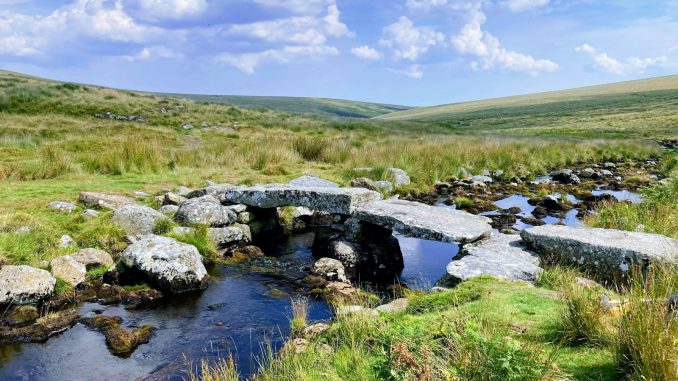
In an age of structured workouts and indoor routines, it’s easy to forget that some of the most powerful forms of exercise happen outside of the gym. The natural world offers a diverse, immersive setting for movement—one that engages not only the body, but the senses and the mind. Just two hours from Cardiff, Devon, with its sweeping moors, hidden woodlands, and coastal trails, is a prime example of a landscape that transforms simple motion into meaningful experience. Here, movement becomes about more than calories or reps—it becomes about connection, curiosity, and restoration.
There’s a unique kind of energy that builds when you walk through an open expanse like Dartmoor. The rhythm of your feet over uneven ground, the subtle climb of an incline, the sensation of wind brushing against your skin—all of it draws your attention out of your head and into the moment. Walking outdoors activates your body in a way that’s more dynamic than any treadmill session. You engage stabilising muscles, adjust your stride to terrain changes, and regulate your pace intuitively, without needing a timer or app.
Cycling, too, becomes a different experience when you’re surrounded by nature. Rather than a static bike facing a gym wall, you’re pedalling along country lanes, breathing fresh air, and responding to the subtle challenges of hills, gravel, or forest paths. The variety in elevation and texture builds endurance without boredom, while your surroundings keep you mentally stimulated. With every hill climbed and descent coasted, your body grows stronger—and your mind stays engaged.
One of the greatest benefits of exercising in nature is the way it lowers mental resistance. Many people find themselves dragging their feet to scheduled workouts, dreading the monotony or pressure of traditional fitness. But when the movement is embedded in exploration—when you’re hiking to see a waterfall, or cycling to reach a viewpoint—it becomes its own reward. You aren’t moving to burn calories; you’re moving to discover something new. The motivation comes from curiosity, not discipline.
This is why outdoor fitness is particularly well-suited to those returning to activity after a break. Nature offers a non-judgmental space, where there’s no comparison or performance required. You can take breaks when you need to. You can slow down, speed up, or stop to admire a view without feeling like you’re falling behind. And yet, even in this relaxed rhythm, the fitness benefits are significant. You build cardiovascular strength, develop balance and coordination, and support joint mobility—all without once stepping onto a treadmill.
Another unique element of nature-based movement is how it activates a wider range of muscles than indoor routines often do. Walking or cycling on varied terrain forces your body to adjust with every step or pedal stroke. This engages the glutes, core, and smaller stabilising muscles that are often underused in flat-surface workouts. Over time, this improves posture, balance, and joint health—especially important for those looking to avoid repetitive strain injuries.
At Manor & Ashbury Resorts, this philosophy of movement through nature is seamlessly integrated into the guest experience. With direct access to trails, cycle routes, and wide-open grounds, guests are invited to engage with the landscape at their own pace. Whether it’s a guided walk across moorland or an afternoon spent cycling between on-site facilities, the design of the space encourages spontaneous, enjoyable activity. There’s no pressure to “work out”—movement happens organically, as a by-product of exploration and play.
The setting itself plays a critical role in how we experience movement. Studies show that exercising outdoors improves mood more significantly than exercising indoors, even when the physical activity is the same. This is due in part to sunlight exposure, which boosts vitamin D and helps regulate sleep cycles. But it also has to do with visual stimulation. The changing scenery, natural colours, and open vistas activate different parts of the brain, creating a sense of peace and engagement that gym mirrors and white walls can’t replicate.
Being in nature also shifts your breathing. Without the artificial air of indoor spaces, your lungs expand more deeply, and you tend to take fuller breaths. This enhances oxygen flow, improves stamina, and reduces feelings of fatigue. Combined with the calming presence of greenery and water, it becomes easier to enter a flow state—where you move with ease and feel completely present in what you’re doing.
Outdoor movement also supports recovery and reduces inflammation. The gentle, natural movements involved in walking, cycling, or climbing over uneven ground help promote circulation and lymphatic drainage. This not only supports muscle recovery after more intense activity but can also reduce joint stiffness and chronic fatigue. For older adults, those recovering from injury, or anyone looking to balance more intense training days, nature walks and light rides offer an ideal complement.
There’s also the freedom factor. Without the restrictions of walls, class times, or fixed machines, you’re free to follow your own rhythm. Some days might involve a long, slow walk. Others might lead you to a steep hill you didn’t expect to climb. The unpredictability is part of what makes it powerful. Your body doesn’t just become fitter—it becomes more adaptable.
Families benefit greatly from this open-ended style of movement. Children, in particular, thrive in natural settings where they can run, climb, explore and invent games. They move instinctively, using their entire bodies in creative ways. Adults, too, reconnect with their inner sense of play when freed from rigid routines. A simple walk can turn into a photo expedition. A short cycle can lead to a picnic. It’s exercise, yes—but it’s also memory-making.
Even the weather plays a role in how the body engages with movement outdoors. A cool breeze can push you to move faster; sunshine can lift your mood and increase your energy. You learn to adapt to your environment, and that adaptability becomes a strength you carry back into everyday life.
As fitness culture continues to evolve, many are recognising that health isn’t built solely in gyms. It’s shaped by how often and how freely we move—and how connected we feel while doing so. Nature offers the perfect environment to make that connection, blending activity with enjoyment, and wellness with wonder.
Devon’s natural landscape offers not only a beautiful backdrop but a deeply effective setting for sustainable fitness. The more you move through it, the more you build a body and mind that are grounded, strong, and resilient. And perhaps most importantly, you do so not because you feel pressured—but because you feel inspired.
—
Image credit: Photo of the ancient Clapper bridge over river Avon Dartmoor national park by Ben Wrigley on Unsplash